10 Electrical Safety Tips for Your Home
Electrical hazards can cause fires, shocks, and serious injuries. Follow these tips to help protect yourself, your family, and your home:
- Avoid overloading outlets. Plug major appliances and space heaters directly into wall outlets. Never connect power strips or extension cords together.
- Check cords and plugs regularly. Stop using equipment with frayed, cracked, loose, or damaged cords or plugs.
- Protect cords from damage. Never run cords under rugs or bedding, through doorways, or where furniture can pinch them. Do not secure cords with nails or staples.
- Protect children and pets. Keep cords and small electrical appliances out of reach. Use the appropriate outlet protection, such as tamper-resistant cover on receptacles.
- Unplug small appliances when finished. Unplug items such as toasters, irons, and hair styling tools when not in use. Allow hot appliances to cool before storing them.
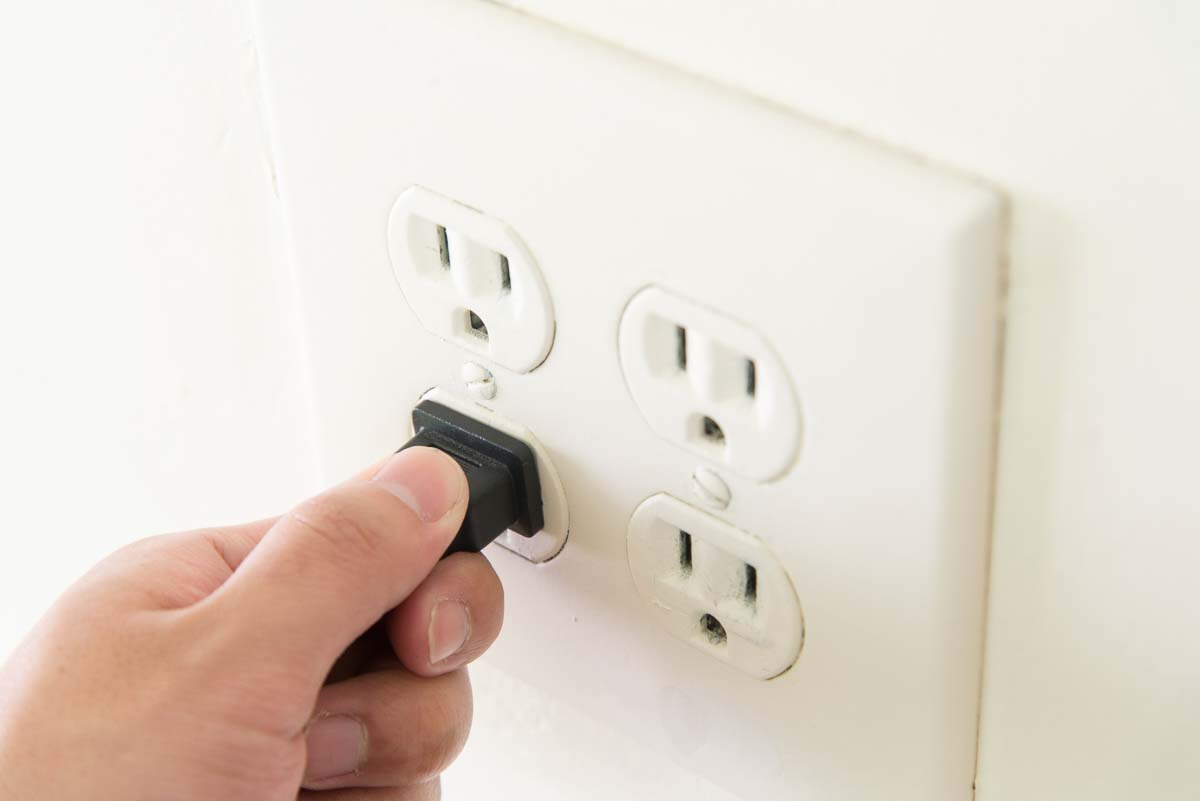
- Handle plugs safely. Unplug equipment by holding the plug, not pulling the cord. Never remove a grounding prong or force a plug into an outlet.
- Use the correct light bulbs. Follow the fixture’s recommended bulb type and maximum wattage. Keep lamps and bulbs away from curtains, bedding, and other materials that can burn. Never cover lamps with fabric.
- Keep electricity away from water. Keep appliances and cords away from sinks, bathtubs, and wet surfaces. Do not handle plugs or electrical equipment with wet hands.
- Use extension cords temporarily. Choose cords certified by a recognized testing laboratory and rated for the equipment and location. Use cords marked for outdoor use when needed outside. Contact maintenance if additional permanent outlets are needed.
- Report electrical warning signs. Stop using affected equipment or outlets and contact maintenance promptly for burning odors, discoloration, buzzing, sparks, shocks, unusually warm cords or outlets, or breakers that trip repeatedly.
If you see smoke or fire, leave the home and call 911 from a safe location.