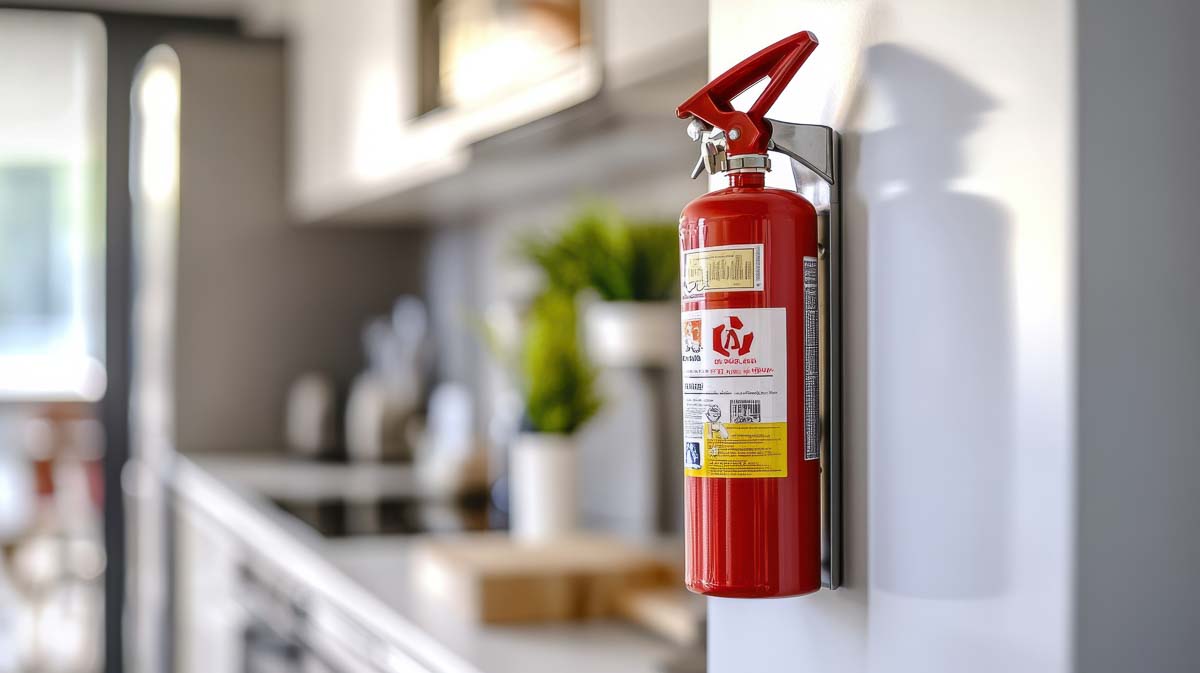
Every year fire departments respond to more than 300,000 home structure fires in the U.S. Most residential fires can be prevented by educating yourself and your family on the common causes of household fires and how to prevent them from occurring. The following tips will help keep you, your family and your home safe.
- Do not overload electrical circuits with too many appliances or electronics. If your circuit breakers are tripping, call in a work order for maintenance to look at your system.
- Do not run extension cords under rugs or carpets. The cords wear easily and may short out, causing a fire.
- Nails or staples used to attach electrical cords to the walls or baseboards can damage the cords and cause fire or shock hazards. Tape cords to walls or floors instead of using nails or staples.
- Replace frayed electrical cords before they burn or cause a fire.
- Keep combustibles away from the furnace, which can emit flames or sparks. Mechanical rooms must be kept clear and may not be used as storage areas for any item.
- Ceiling fixtures and recessed lights trap heat. Since overheating can lead to fire, don't use a high-wattage bulb in such a fixture. If you don't know the correct wattage, use a bulb of 60 or fewer watts.
- Extinguish candles when leaving the room or before going to bed.
- Unplug your hair dryer or any other small appliance in the bathroom when not in use.
- An electric blanket should not be tucked in at the sides. It may overheat and start a fire.
- Be sure to turn a heating pad off before you go to sleep. It can cause burns even at a relatively low setting.
- Do not remove or tamper with your smoke / CO alarm. If it is beeping or chirping, call in a work order to have it checked.
- If a switch or outlet is damaged during use, stop using it immediately, and call in a work order to have it repaired.
Additional Resources:
Fireworks
Leave Fireworks to the Professionals
The best way to protect your family is to not use any fireworks at home. Instead, attend public fireworks displays and leave the lighting to the professionals. If you plan to use fireworks, make sure they are legal in your area. Fireworks are not permitted in your community. If you plan to use fireworks outside of your community, follow these safety tips:
- Know your fireworks; read the warning labels and performance descriptions before igniting.
- Have a designated shooter to organize and shoot your family show.
- Alcohol and fireworks do not mix.
- Parents and caretakers should always closely supervise teens if they are using fireworks.
- Parents should not allow young children to handle or use fireworks.
- Fireworks should only be used outdoors.
- Always have water ready if you are shooting fireworks.
- Obey local laws. If fireworks are not legal where you live, do not use them.
- Wear safety glasses whenever using fireworks.
- Never relight a “dud” firework.
- Soak spent fireworks with water before placing them in an outdoor garbage can.
- Never attempt to alter or modify consumer fireworks and use them only in the manner in which they were intended.
- Report illegal explosives, like M-80s and quarter sticks, to the fire or police department.
Be Extra Careful With Sparklers
Little arms are too short to hold sparklers, which can heat up to 1,200 degrees. How about this? Let your young children use glow sticks instead. They can be just as fun but they don’t burn at a temperature hot enough to melt glass. Closely supervise children around fireworks at all times.
Source: www.safekids.org